Source Acrylic Jewelry Display Rack for Stores, Shows, and Homes
Compare 30 acrylic jewelry display rack options from verified suppliers. Buyers can evaluate customization, materials, and pricing for use in specialty stores, exhibitions, and retail environments. These stands support various display needs including cosmetics, coins, and watches with options for UV printing, laser cutting, and custom colors.
Key considerations
Products List
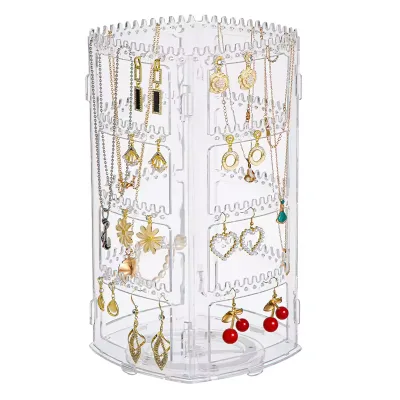
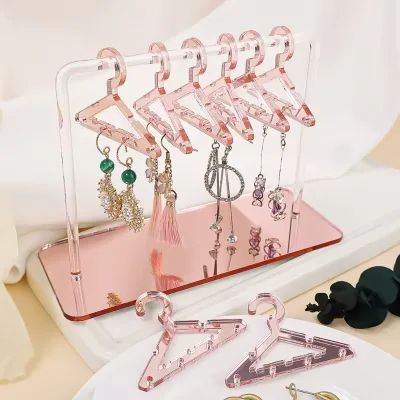


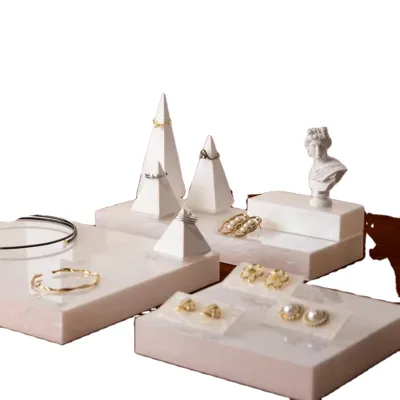
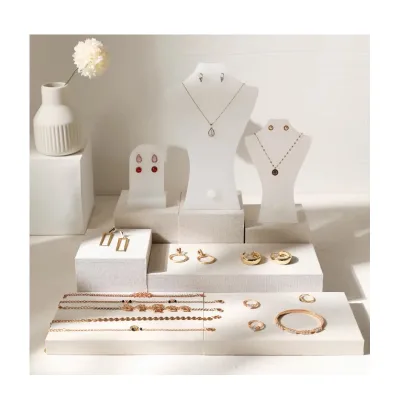


Comprehensive Sourcing Guide
Acrylic Jewelry Display Rack Sourcing Guide
Sourcing acrylic jewelry display racks requires a nuanced understanding of material properties, manufacturing capabilities, and specific retail requirements. Acrylic, also known as polymethyl methacrylate (PMMA), is a popular choice for retail fixtures due to its clarity, durability, and aesthetic appeal. Buyers must navigate a market where customization is prevalent, with suppliers offering various design options to suit different brand identities. The decision to source from manufacturers, particularly those in regions like China, often hinges on the ability to produce custom designs and meet specific volume requirements.
This guide focuses on the critical aspects of procuring acrylic jewelry displays, including technical specifications, compliance, and supplier evaluation. It draws on observed market data to provide actionable insights for procurement professionals. By understanding the range of available products, from extruded to cast acrylic sheets, buyers can make informed decisions that align with their budget, timeline, and quality expectations. The following sections detail the key considerations for a successful sourcing strategy.
Product Scope and Observed Listing Signals
The market for acrylic jewelry displays encompasses a wide variety of products, ranging from simple coin holders to complex L-stand configurations. Observed listings indicate that these displays are often designed for indoor use in specialty stores, supermarkets, and exhibition shows. The product scope includes items specifically tailored for jewelry, cosmetics, and watches, highlighting the versatility of acrylic as a display material. Buyers should note that customization is a standard offering, allowing for tailored solutions that meet unique retail needs.
Listing signals reveal significant variation in product attributes, such as color options, which include clear, white, black, and customized colors. Some products feature antitheft capabilities, while others do not, indicating a need for careful selection based on security requirements. The presence of original designs alongside customer-provided designs suggests that suppliers are equipped to handle both standard and bespoke orders. Understanding these signals helps buyers identify suppliers who can meet their specific aesthetic and functional demands.
Technical Specifications to Verify
Technical verification is crucial when sourcing acrylic displays, particularly regarding material type and thickness. Suppliers may offer extruded or cast acrylic sheets, each with distinct properties affecting clarity and durability. Thickness ranges observed in the market span from 1.5mm to 300mm, allowing for a wide range of structural designs. Buyers must verify the specific thickness required for their display to ensure stability and aesthetic quality, as thinner materials may lack the necessary rigidity for heavier jewelry items.
Manufacturing processes such as CNC and laser cutting are commonly used to achieve precise shapes and edges. Printing methods like UV and silk printing enable the application of logos and branding, which can be done through printing, engraving, or stickers. Buyers should confirm the build method, whether it involves connecting components or arriving as a single piece, and consider the folded state, as some displays are designed to be unfolded upon arrival. These technical details directly impact the final product's appearance and assembly requirements.
Compliance and Safety Documentation
While specific certification statuses are not universally disclosed in general listings, buyers must ensure that acrylic displays meet relevant safety and quality standards. Acrylic is generally considered safe for retail use, but it is essential to verify that the material does not contain harmful substances, especially if the displays are used in environments with direct customer contact. Buyers should request material safety data sheets (MSDS) to confirm the composition of the acrylic and any coatings or adhesives used in the manufacturing process.
Packaging standards also play a role in compliance, as proper packaging prevents damage during transit. Observed packaging methods include bubble bags, outer boxes, and flat-packed cartons, which help protect the displays. Buyers should ensure that the packaging meets international shipping standards to minimize the risk of damage. Additionally, verifying that the supplier adheres to environmental regulations regarding acrylic production and disposal can enhance the brand's sustainability profile and comply with local laws in the destination market.
Cost Drivers and Commercial Terms
Costs for acrylic jewelry displays are influenced by several factors, including material type, thickness, customization level, and order quantity. The observed price range in the market is broad, reflecting the variability in product complexity and supplier pricing strategies. Buyers should be aware that customized designs and specific color requirements may incur additional costs. Minimum order quantities (MOQs) also vary, with some suppliers requiring as few as two pieces, while others may demand 100 pieces or more, impacting the initial investment required.
Commercial terms such as sample time and lead times are critical for planning procurement cycles. Sample times of 3-5 working days are common, allowing buyers to evaluate product quality before committing to larger orders. Buyers should negotiate clear terms regarding payment, shipping, and returns to mitigate financial risks. Understanding the cost drivers helps in budgeting accurately and selecting suppliers who offer the best value for the required specifications and volume.
Supplier Qualification and Quality Control
Supplier qualification involves assessing their manufacturing capabilities, design expertise, and quality control processes. Buyers should verify the supplier's experience in producing acrylic displays, particularly for jewelry and cosmetics, to ensure they understand the specific requirements of these products. Observing the supplier's ability to handle both original and customer-provided designs indicates their flexibility and technical proficiency. Quality control measures should include checks on material consistency, edge finishing, and print accuracy to ensure the final product meets expectations.
Communication and responsiveness are also key indicators of supplier reliability. Buyers should evaluate the supplier's ability to provide detailed product information, such as model numbers and specifications, and their willingness to accommodate custom requests. Establishing a clear line of communication helps in resolving issues promptly and ensuring that the procurement process runs smoothly. Selecting a supplier with a strong track record in quality control minimizes the risk of receiving defective products and enhances overall satisfaction.
Long-Term Procurement Checks
Long-term procurement success depends on establishing a sustainable relationship with suppliers and continuously monitoring performance. Buyers should conduct regular audits of supplier quality and delivery times to ensure consistency. Feedback loops should be established to address any issues promptly and to provide suppliers with insights for improvement. Maintaining a diverse supplier base can also mitigate risks associated with supply chain disruptions and ensure continuity of supply.
As retail trends evolve, buyers should stay informed about new design trends and material innovations in the acrylic display market. This proactive approach allows for timely updates to product offerings and maintains competitiveness. Regularly reviewing commercial terms and negotiating favorable conditions based on volume and performance can lead to cost savings and improved margins. By focusing on long-term partnerships and continuous improvement, buyers can secure a reliable supply of high-quality acrylic jewelry displays.
FAQs
What materials are used for acrylic jewelry display racks?
Acrylic jewelry display racks are primarily manufactured using extrude and cast acrylic sheets. These materials provide clarity and durability for showcasing items. The thickness can range from 1.5mm to 300mm depending on structural needs. Buyers can select from clear, white, black, or customized colors to match their brand identity and display requirements effectively.
Can acrylic display stands be customized for specific brands?
Yes, customization is available for acrylic display stands. Buyers can request original designs or provide their own artwork. Options include UV printing, silk printing, engraving, or stickers for logos. Colors can be customized, and specifications can be tailored per customer requests. This flexibility ensures the display aligns perfectly with unique branding and product presentation goals.
What are the typical MOQ requirements for acrylic displays?
MOQ requirements vary by product type. Some items have an MOQ of 100 pieces, while others may start at 2 pieces. Buyers should check specific model details for exact thresholds. Customized orders often have higher minimums. Understanding these limits helps in planning inventory and budgeting for bulk purchases of acrylic display solutions for retail or exhibition use.
How are acrylic display products packed for shipping?
Packing methods depend on the specific product. Acrylic sheets may be packed in cartons, PE film, or kraft paper. Finished displays like jewelry racks often use bubble bags with outer boxes. Some items are flat-packed into standard cartons to save space. Proper packaging ensures protection during transit and maintains the pristine condition of the acrylic surfaces upon arrival.
What cutting and printing methods are used for acrylic?
Acrylic displays utilize CNC and laser cutting for precise shaping and edges. Printing methods include UV printing and silk printing for high-quality graphics. These techniques allow for detailed designs and durable finishes. The choice of method depends on the complexity of the design and the desired aesthetic. Buyers can specify their preferred techniques to achieve the best visual impact for their products.
Where are acrylic jewelry display racks typically manufactured?
These products are typically manufactured in China, with specific origins like Shenzhen noted for certain models. Manufacturers offer various specifications and customized standards to meet international requirements. Buyers can source directly from these regions to access a wide range of acrylic display solutions. The location influences lead times and logistics, so it is important to verify origin details when placing orders.